
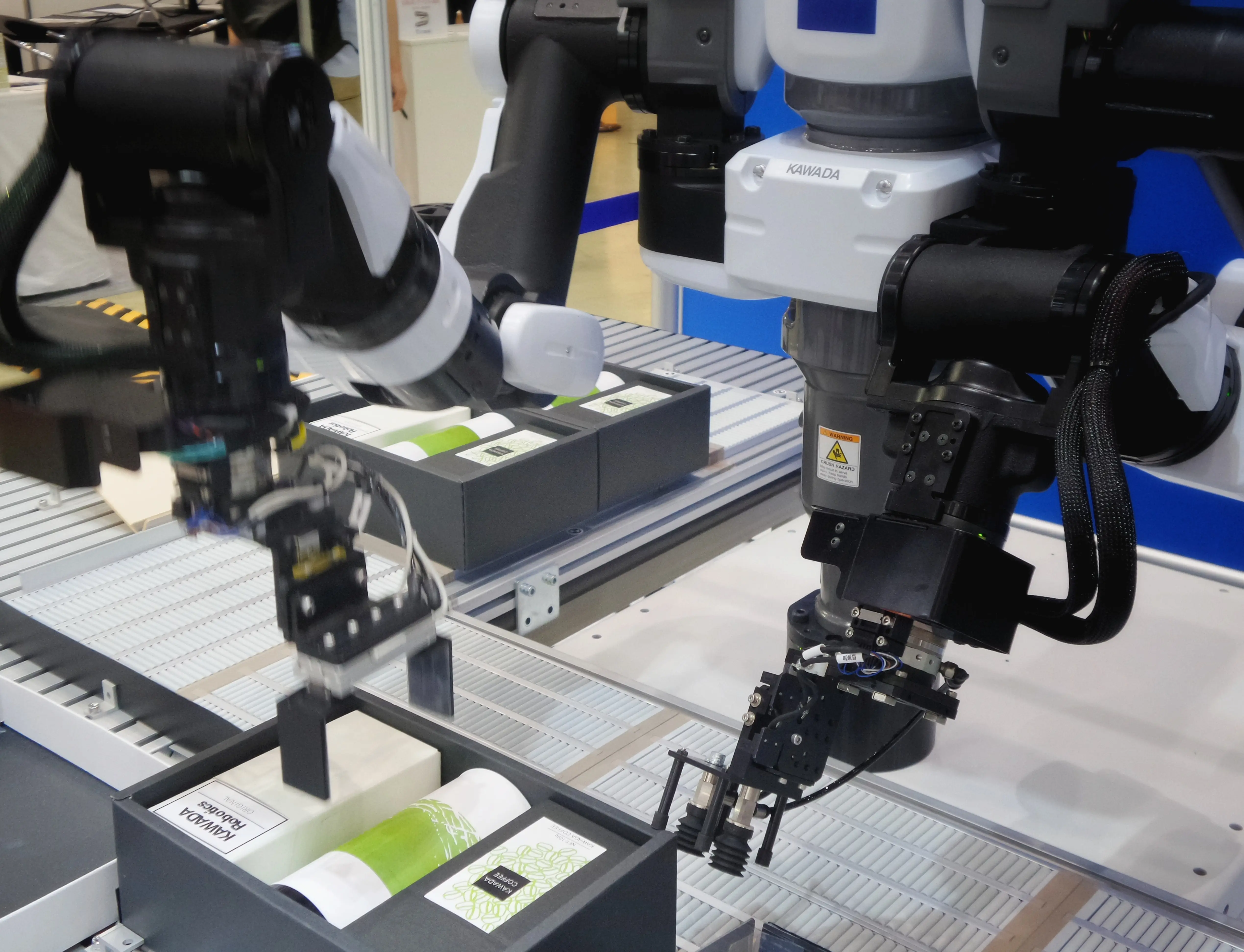
Artificial intelligence and automation are evolving fast. What once sounded futuristic is now part of everyday industrial operations. Robots assemble products with incredible precision, machines communicate in real time, and smart systems continuously process enormous amounts of data.
But behind every automated system is something far less visible, the infrastructure that keeps everything connected.
As industries become more dependent on AI-driven systems and advanced automation, the demand for reliable and high-performance connectivity solutions is growing rapidly. And for many companies, this creates new technical challenges that didn’t exist a few years ago.
Smarter Systems Require Stronger Connections
Automation is no longer limited to simple repetitive tasks. Modern systems are becoming more intelligent, more compact, and significantly more data-driven.
This means connectivity components must handle:
- higher data transfer speeds
- increased power demands
- continuous movement and vibration
- limited installation space
- constant system communication
A failure in connectivity solutions can interrupt communication between systems instantly, affecting performance across an entire operation.
That’s why connectors and cable assemblies are becoming increasingly important in the design of modern industrial systems.
Why Robotics Pushes Connectivity to Its Limits
Industrial robots operate in demanding environments. Some move continuously for thousands of hours, while others function under extreme temperatures or exposure to dust, moisture, or chemicals.
Traditional interconnect solutions are often not designed for these conditions.
In robotic and automated systems, connectivity solutions must provide:
- flexibility without cable fatigue
- resistance against vibration and bending
- stable signal integrity
- compact integration in tight spaces
- long-term reliability under continuous operation
As robotics become more advanced, the margin for failure becomes smaller.
AI Is Increasing Data Demands
Artificial intelligence systems rely heavily on data. Sensors, cameras, processors, and machines constantly exchange information in real time.
This creates pressure on interconnect solutions in ways many companies underestimate.
Higher data volumes require:
- faster transmission speeds
- reduced signal interference
- improved shielding
- highly reliable electrical performance
In high-tech environments, connectivity is no longer just about transferring power, it’s also about maintaining accurate and uninterrupted data communication.
Miniaturization Creates New Engineering Challenges
One of the biggest trends in modern technology is miniaturization. Systems are becoming smaller while simultaneously increasing in performance.
For engineers, this creates a difficult balance:
- less physical space
- more complex integrations
- higher thermal loads
- stricter reliability requirements
Compact systems often require highly specialized custom cable assemblies and tailored interconnect solutions designed specifically for the application.
This is one reason why many industries are moving away from purely standard components and investing more in engineering support and tailored system integration.
Frequently Asked Questions
Why is connectivity becoming more important in automation?
Modern automated systems rely on continuous communication between machines, sensors, and software. Reliable connectivity solutions ensure stable performance and prevent interruptions.
How does AI affect interconnect requirements?
AI systems process large amounts of data in real time, increasing the need for high-speed, reliable, and interference-resistant interconnect solutions.
Why are robotic applications challenging for cables and connectors?
Robotics involve constant movement, vibration, and mechanical stress, which can wear down standard connectors and cable assemblies over time.
Are standard connectors suitable for advanced automation systems?
In some cases yes, but highly specialized environments often require custom cable assemblies or high-performance connectivity solutions for reliability and durability.
Which industries are driving demand for advanced connectivity?
Industries such as robotics, aerospace, industrial automation, defense, automotive, and smart manufacturing are all increasing demand for advanced interconnect solutions.
Connectivity Is Becoming a Strategic Advantage
As AI and automation continue to reshape industries, connectivity is moving from a background component to a critical part of system performance.
Companies investing in reliable interconnect solutions today are not simply preventing failures, they are building systems that can support the next generation of intelligent technology.
Because no matter how advanced a system becomes, it still depends on one thing: reliable connections between every critical component.